Shampoo: Ketoral shampoo is indicated for the treatment and prophylaxis of infections in which the yeast Malassezia (previously called Pityrosporum) is involved, such as pityriasis versicolor (localized), seborrhoeic dermatitis and pityriasis capitis (dandruff).
Cream: ... Read more
Ketoconazole interacts with 14-α-sterol demethylase, a cytochrome P-450 enzyme necessary for the conversion of lanosterol to ergosterol. This results in inhibition of ergosterol synthesis and increased fungal cellular permeability due to reduced amounts of ergosterol present in the fungal cell membrane. This metabolic inhibition also results in accumulation of 14α-methyl-3,6-diol, a toxic metabolite. The increase in membrane fluidity is also thought to produce impairment of membrane-bound enzyme systems as components become less closely packed.
Shampoo: To use the Ketoconazole 2% shampoo, follow these steps:
- Shake the bottle well before use
- Use a small amount of water to wet the area where Ketoconazole 2% shampoo is to be applied
- Apply the shampoo to the affected skin/scalp and a large area around it
- Use fingers to rub the shampoo until it forms lather
- Leave the shampoo on skin/scalp for 5 minutes
- Rinse the shampoo off skin/scalp with water
Treatment-
- Seborrheic dermatitis and Dandruff: twice weekly for 2 to 4 weeks.
- Pityriasis versicolor: once daily for 5 days.
Prophylaxis-
- Seborrheic dermatitis and Dandruff: once every 1 or 2 weeks.
- Pityriasis versicolor: once daily for 3 days during a single treatment course before the summer.
Cream:
- Tinea pedis: Ketoconazole cream should be applied to the affected areas twice daily. The usual duration of treatment for mild infections is 1 week. For more severe or extensive infections (e.g. involving the sole or sides of the feet) treatment should be continued until a few days after all signs and symptoms have disappeared in order to prevent relapse.
- For other infections: Ketoconazole cream should be applied to the affected areas once or twice daily, depending on the severity of the infection. The treatment should be continued until a few days after the disappearance of all signs and symptoms. The usual duration of treatment is: tinea versicolor 2-3 weeks, tinea corporis 3-4 weeks. The diagnosis should be reconsidered if no clinical improvement is noted after 4 weeks. General measures in regard to hygiene should be observed to control sources of infection or reinfection. Seborrhoeic dermatitis is a chronic condition and relapse is highly likely.
Tablet:
- Vaginal candidiasis: 1 tablet b.i.d. for 5 days.
- All other indications: Adults: 1 tablet (200 mg) once daily until at least one week after the symptoms have disappeared and the cultures have become negative.
- Children: 3 to 5 mg/kg/day
Duration of treatment
- Pityriasis versicolor: 1 to 6 weeks
- Dermatomycoses: 2 to 8 weeks
- Onychomycoses: 1 to 12 months
- Mycoses of hair and scalp: 1 to 2 months
- Chronic mucocutaneous candidiasis: 1 to 12 months
- Oral mycoses: 5 to 10 days
- Systemic candidiasis: 1 to 2 months
- Paracoccidioidomycosis,histoplasmosis and other systemic mycosis: 1 month to 2 years
Ketoconazole bar: Body Fungus: rub gently on the overall body to produce lather. Leave for 4-5 minutes. Rinse of thoroughly with water.
No drug interaction in case of Shampoo and Cream. Drugs that reduce gastric acidity (eg.; acid neutralizing medicines such as aluminium hydroxide, suppressors such as H2 receptor antagonist and proton pump inhibitors) impair the absorption of Tablets.
Contraindicated in patients with known hypersensitivity to ketoconazole.
Shampoo: Topical treatment with Ketoral shampoo 2% is generally well tolerated. As with other shampoos, a local burning sensation, itching or contact dermatitis (due to irritation or allergy) may occur on exposed areas. Oily and dry hair have been reported rarely with the use of Ketoral shampoo 2%.
Cream: Commonly observed adverse reactions to Ketoral cream in clinical trials were skin application site burning sensation, erythema and pruritus. Uncommon adverse reactions are application site bleeding, discomfort, dryness, inflammation, irritation, paraesthesia and reaction; bullous eruption, dermatitis contact, rash, skin exfoliation and sticky skin.
Tablet: Nausea, Headache, Diarrhea, abdominal pain, vomiting may be associated with the active components of Ketoral Tablet.
Pregnancy Category C. There are no adequate and well controlled studies in pregnant women. Animal studies have shown reproductive toxicity. Since Ketoconazole is not absorbed through the skin after topical application, Ketoconazole 2% shampoo and cream is not contraindicated in pregnancy and lactation. Ketoconazole has been shown to be excreted in the milk. Mothers who are under treatment with Dancel Tablets should not breast feed.
Shampoo: In patients who have been on prolonged treatment with topical corticosteroids, it is recommended that the steroid therapy be gradually withdrawn over a period of 2 to 3 weeks, while using Ketoral shampoo 2%, to prevent any potential rebound effect. Increased hair shedding is often associated with seborrhoeic dermatitis and dandruff, and has been rarely reported with the use of Ketoral shampoo 2%. Avoid contact with the eyes. If the shampoo should get into the eyes, they should be bathed with water.
Cream: Not for ophthalmic use. If a potent topical corticosteroid has been used previously in the treatment of seborrhoeic dermatitis, a recovery period of 2 weeks should be allowed before using Ketoral 2% w/w cream, as an increased incidence of steroid induced skin sensitisation has been reported when no recovery period is allowed.
Tablet: In patients with a previous history of liver disease, liver enzyme levels should be monitored during treatment. When patients develop symptoms indicative of liver reaction, such as nausea or fatigue, accompanied with pale faeces, dark urine or jaundice, Ketoral therapy should be stopped immediately
Shampoo: Not expected as Ketoral shampoo 2% is intended for external use only. In the event of accidental ingestion, only supportive measures should be carried out. To avoid aspiration, emesis or gastric lavage should not be performed.
Cream: Exaggerated topical application may lead to erythema, oedema and a burning sensation, which will disappear upon discontinuation of the treatment. If accidental ingestion of Ketoral 2% w/w cream occurs, no special measures have to be taken.
Drugs for subcutaneous and mycoses
Keep below 25°C temperature, away from light & moisture. Keep out of the reach of children.
| Molecular Formula : | C26H28Cl2N4O4 |
| Chemical Structure : | 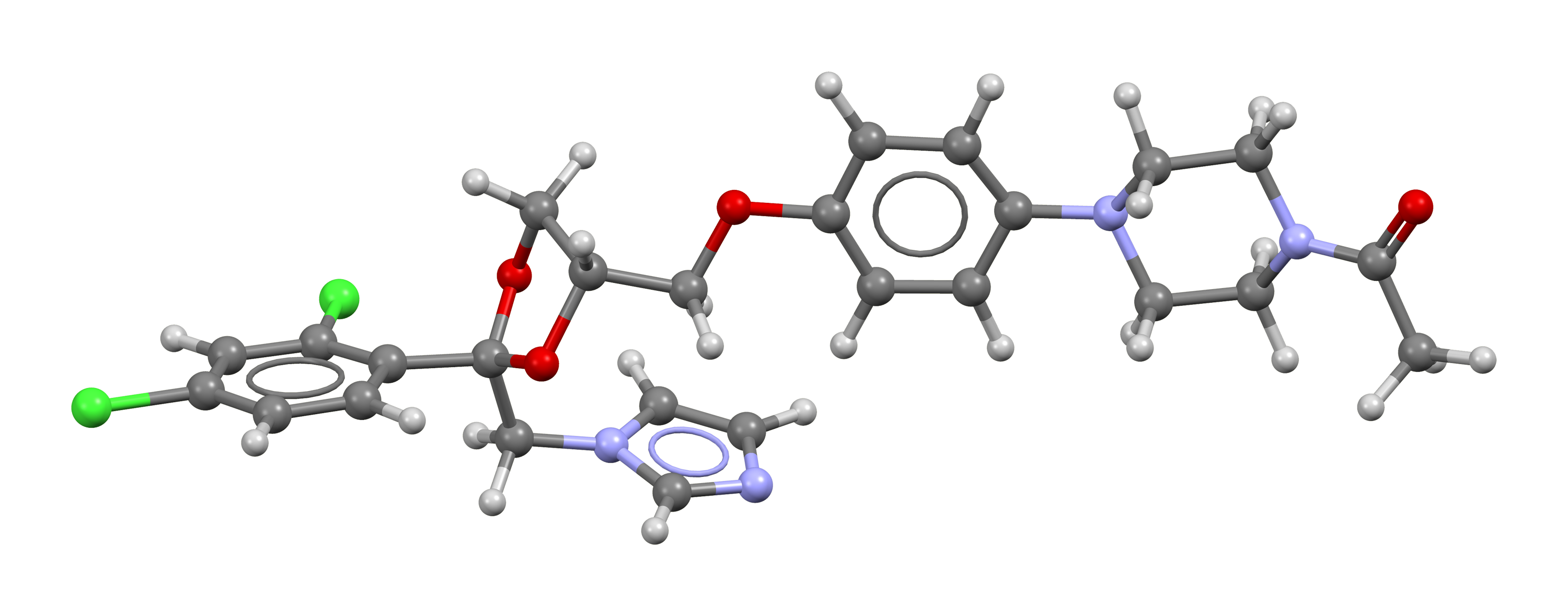 |
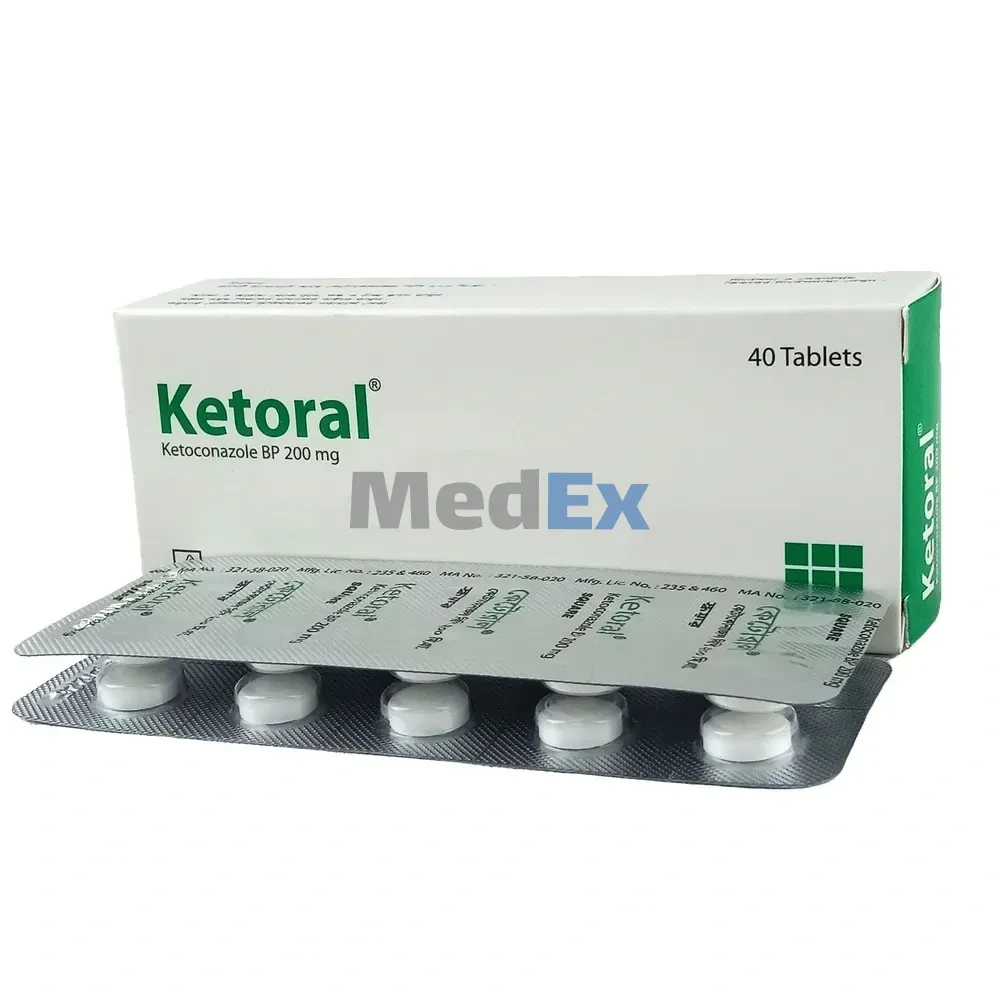
What is Ketoral 200 mg Tablet?
Ketoral 200 mg Tablet belongs to the class of drugs called azole antifungals. It works by stopping the growth of the fungus.
What is Ketoral 200 mg Tablet used for?
Ketoral 200 mg Tablet is an antiandrogen, antifungal, and antiglucocorticoid medication used to treat a number of fungal infections.



 Fast Delivery all across the country
 Safe Payment
 7 Days Return Policy
 100% Authentic Products




 english