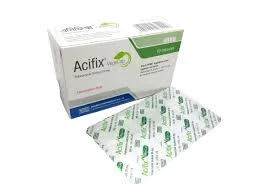
Capsule: Adult dose: The usual dose is 250 mg every 8 hourly. For severe infections or those caused by less susceptible organisms, doses may be doubled with a maximum dosage of 4 g/day. In case of β-hemolytic Streptococcal infections, therapy should be administered for at least 10 days.
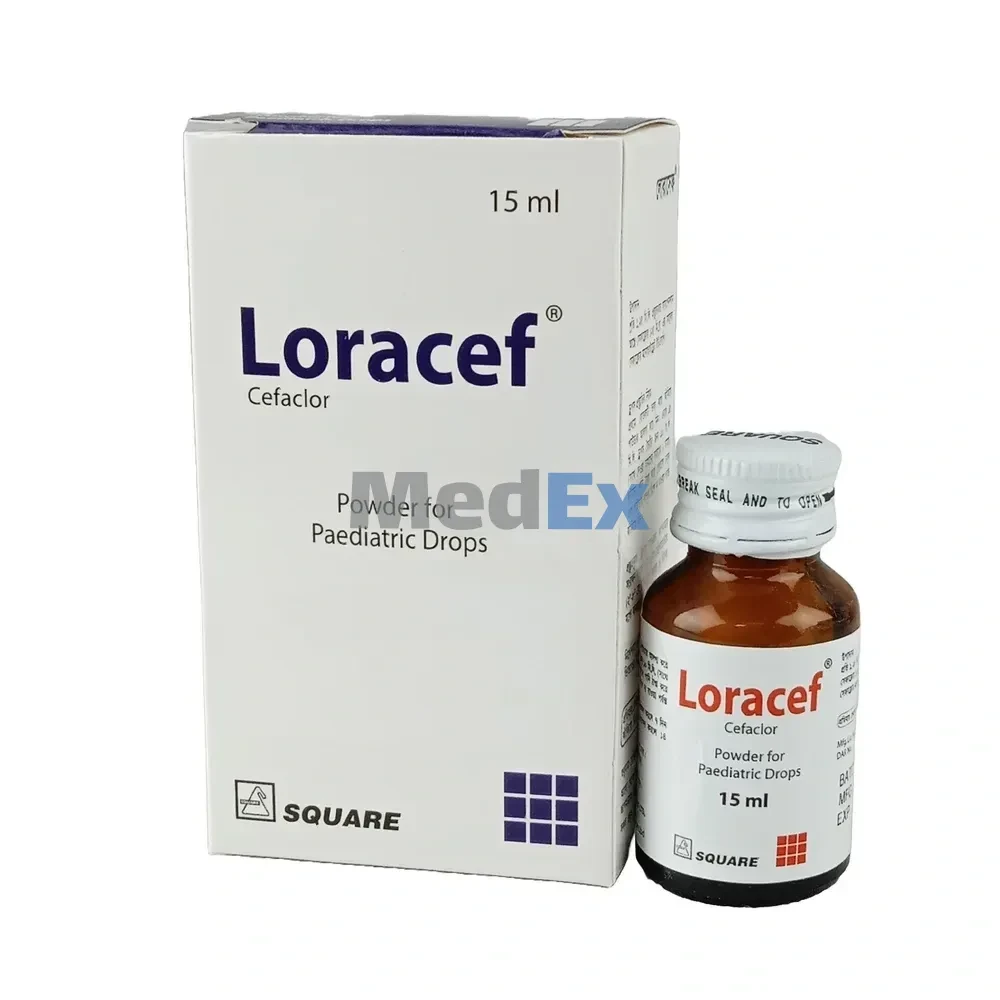
Powder for suspension & Pediatric drops: Children: The usual daily dosage for paediatric patients over 1 month is 20 mg/kg/day in divided doses every 8 hours. In serious infections such as otitis media and infections caused by less susceptible organisms, 40 mg/kg/day are recommended, with a maximum dosage of 1 g/day. Safety and effectiveness of Cefaclor for use in infants less than 1 month of age have not been established.
<1 year (9 kg):
- Powder for suspension: ½ tsp three times daily
- Pediatric drops: 0.625 ml three times daily
1-5 years (9 kg-18 kg):
- Powder for suspension: 1 tsp three times daily
- Pediatric drops: 1.25 ml three times daily
Over 5 years:
- Powder for suspension: 2 tsp three times daily
In renal impairment: Cefaclor may be administered in the presence of impaired renal function. Dose adjustments for patients with moderate or sever renal impairment are not usually required.
In patients undergoing haemodialysis: Haemodialysis shortens serum half-life by 25-30%. In patients undergoing haemodialysis, a predialysis loading dose of 250 mg-1 g is recommended. A maintaining dose of 250-500 mg every 6 hourly during interdialytic period may be used.
Geriatric use: Clinical experience has not identified differences in responses between the elderly and younger patients, but greater sensitivity of some older individuals cannot be ruled out.