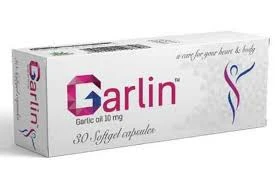
Garlic reduces total cholesterol (TC), serum triglycerides (TG) and elevates high density lipoproteins (HDL). It prevents platelet aggregation and thrombus formation, stimulates fibrinolysis, prolongs clotting time, reduces low density lipoprotein (LDL) oxidation. It also reduces systolic and diastolic blood pressure and attenuates age and blood pressure related increases in aortic stiffness and reduces blood glucose levels.
- Steroid saponins interfere with the absorption of total and LDL cholesterol from the intestinal lumen, thereby reducing plasma cholesterol level without adversely affecting HDL levels.
- Increases catabolism of fatty acid-containing lipids, especially triglycerides.
- Enhances palmitate-induced inhibition of cholesterol biosynthesis.
- Inhibits cholesterol biosynthesis at the level of b-hydroxy-b-methylglutaryl-CoA (HMG-CoA) reductase.
- The gamma-glutamylcysteines are the compounds in garlic that may lower blood pressure, as indicated by their ability to inhibit angiotensin-converting enzyme in-vitro. Garlic modulates the production and function of both endothelium derived relaxing and constricting factors and this may contribute to its protective effect against hypoxic pulmonary vasoconstriction.
- Garlic elicits nitric-oxide-dependent relaxation in pulmonary arteries. It increases nitric oxide through activation of nitric oxide synthase activity.
- Fructans can inhibit adenosine deaminase in isolated cells, thus increasing adenosine and its associated blood vessel dilatory activity